- Home
- Categories
- Cities
- Blogs
-
Go to Searching & Listing Page
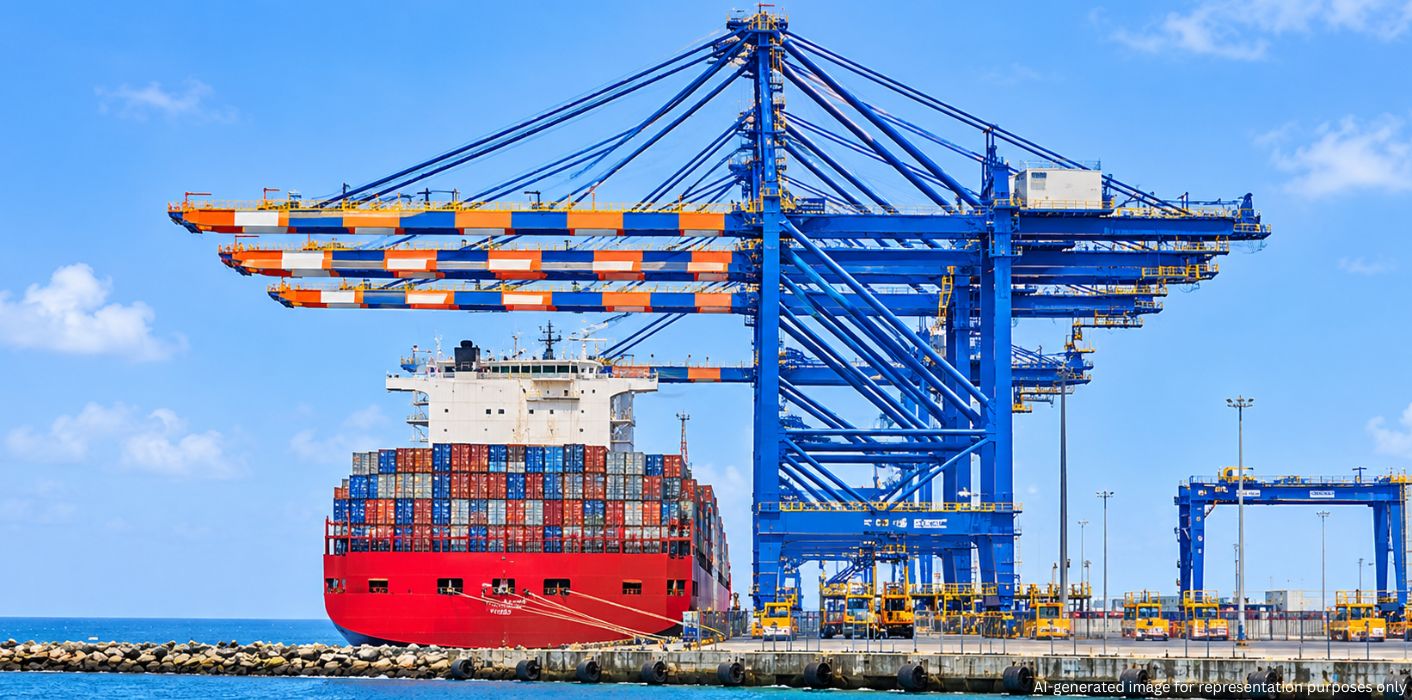
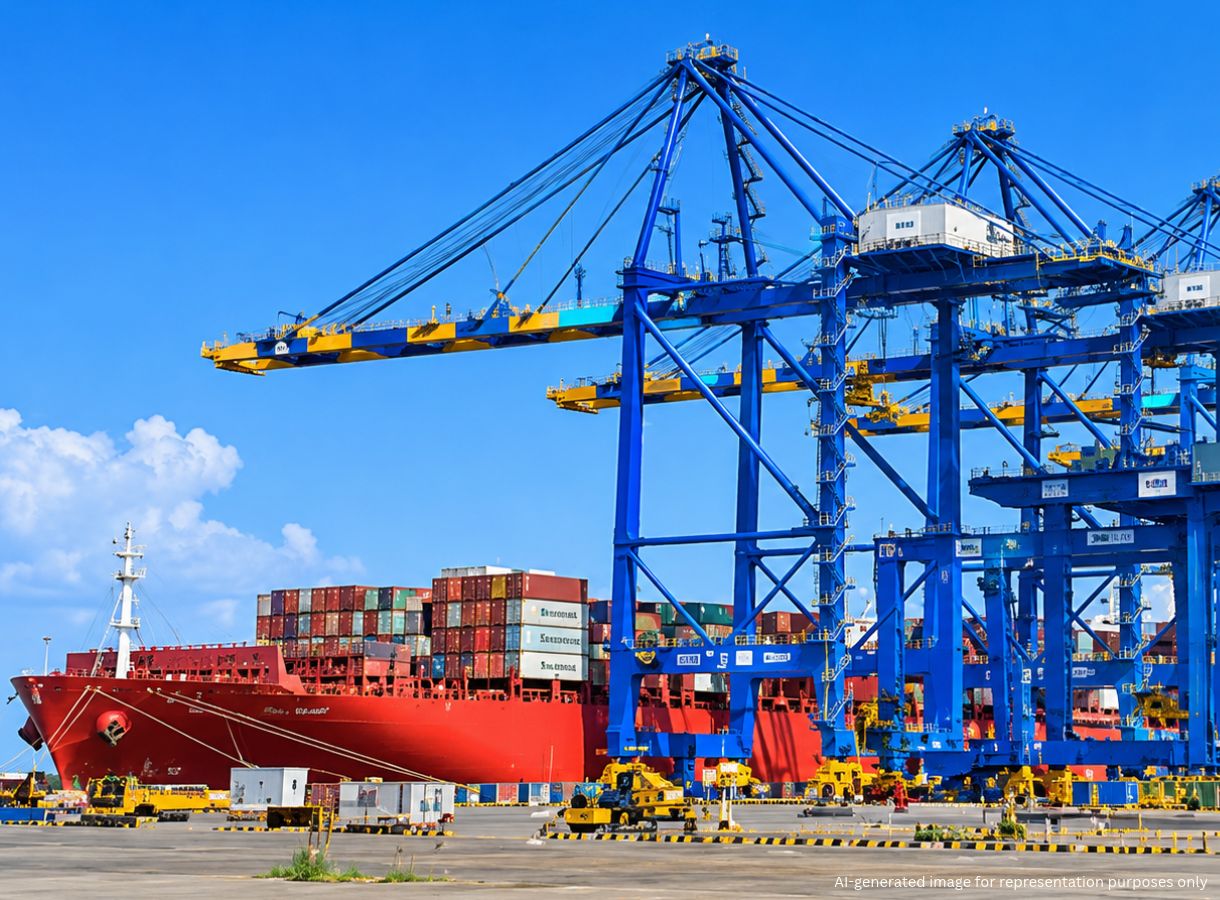
A major change is taking shape along Kerala's coastline as Vizhinjam International Seaport expands its role in maritime trade. The port has received its first import container, marking the beginning of direct import operations. This development is expected to make cargo movement more efficient, reduce businesses' dependence on other ports and strengthen Kerala's position in the logistics sector.
Until now, Vizhinjam primarily functioned as a transshipment hub. Large container ships brought cargo to the port, from where smaller feeder vessels transported containers to other destinations. With direct import operations beginning, businesses can now bring goods into Kerala through Vizhinjam itself.
The first import container arrived from Ningbo, China, aboard MSC Sabrina III. Booked by a Thiruvananthapuram-based logistics company for Altair Group, the shipment contains engineered building boards used as an alternative to conventional plywood.
The new facility allows imported goods to be unloaded, cleared through customs and transported directly to markets across Kerala. This marks an expansion of the port's services beyond transshipment.
Kerala businesses have traditionally depended on other domestic and international ports to handle several import requirements. This often involves additional shipping routes and transportation to bring goods into the state.
The introduction of direct import services aims to address these difficulties by providing businesses with a closer entry point for international cargo. It also creates an opportunity to retain more port-related commercial activity and revenue within Kerala.
At the national level, reportedly around 75% of India's transshipment cargo has historically been handled by foreign ports, representing an estimated annual revenue outflow exceeding $200 million. Strengthening domestic maritime facilities could help India retain a larger share of this trade.
The expansion is expected to create opportunities across several sectors:
The benefits will depend partly on supporting infrastructure keeping pace with port operations. Completion of the Outer Ring Road (ORR) and dedicated national highway connections will be important for efficient cargo movement between the port and regional markets.
There are also questions about how much of the economic benefit will reach local communities, with some residents expressing concerns about the distribution of port-generated wealth. Developing supporting industrial and logistics facilities within the state will therefore be important.
The first import container marks an important step in Vizhinjam's development from a transshipment facility into a direct gateway for international trade. As operations expand, its impact will depend on infrastructure development, business participation and how effectively Kerala builds supporting industries around the port.
1. What is the significance of the first import container arriving at Vizhinjam Port?
The arrival marks the beginning of direct import operations at Vizhinjam International Seaport in Thiruvananthapuram. Businesses can now bring international cargo directly into Kerala, complete customs clearance at the port and transport goods to regional markets without depending entirely on other ports.
2. Where did Vizhinjam Port's first import container come from, and what did it carry?
The first import container arrived from Ningbo, China, aboard MSC Sabrina III on October 31. Booked by a Thiruvananthapuram-based logistics company for Altair Group, the shipment contained engineered building boards used in construction as an alternative to conventional plywood.
3. How will direct import operations at Vizhinjam Port benefit Kerala businesses?
Direct imports through Vizhinjam International Seaport can help Kerala businesses reduce additional shipping and transportation requirements. Goods can be unloaded and cleared through customs locally before reaching markets across the state, potentially reducing cargo movement time and logistics expenses for manufacturers, traders and other businesses.
4. What employment opportunities can Vizhinjam Port's import operations create?
The expansion of import operations is expected to generate direct and indirect employment in Thiruvananthapuram and other southern districts. Potential opportunities include customs brokerage, freight forwarding, heavy transportation, warehousing, marine engineering and other port-related activities. Increased cargo movement could also support businesses providing associated maritime and logistics services.
5. How will Vizhinjam Port's direct import facility benefit the Kerala Government?
Direct import operations can help retain more revenue from cargo handling, port fees, storage and logistics-related activities within Kerala. Instead of businesses routing cargo through other ports, a greater share of associated commercial activity can take place within the state, supporting its maritime and logistics economy.
6. What infrastructure developments are important for Vizhinjam Port's future growth?
The completion of the Outer Ring Road (ORR) and dedicated national highway connections will be important for improving cargo movement from Vizhinjam International Seaport to regional markets. Supporting infrastructure and local industrial facilities will also influence how effectively businesses and communities across Kerala benefit from the port's expanding operations.