- Home
- Categories
- Cities
- Blogs
-
Go to Searching & Listing Page
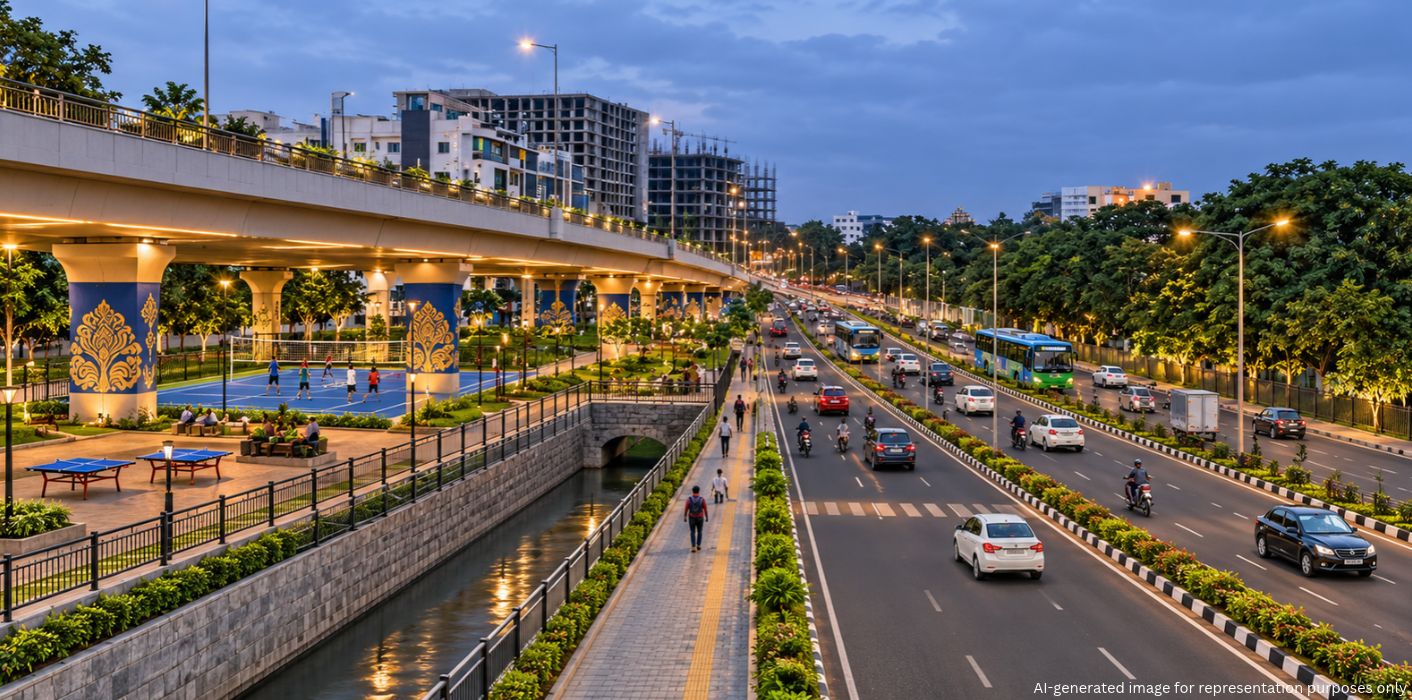
For years, Silk Board Junction has been associated with Bengaluru's traffic congestion, monsoon flooding and neglected public spaces. The Greater Bengaluru Authority (GBA) has now launched a comprehensive makeover under its Ward One campaign, focusing on problems that major transport infrastructure projects have not fully addressed. The initiative aims to improve local traffic movement, drainage, pedestrian safety and public amenities, potentially making the junction more accessible for daily commuters and nearby communities.
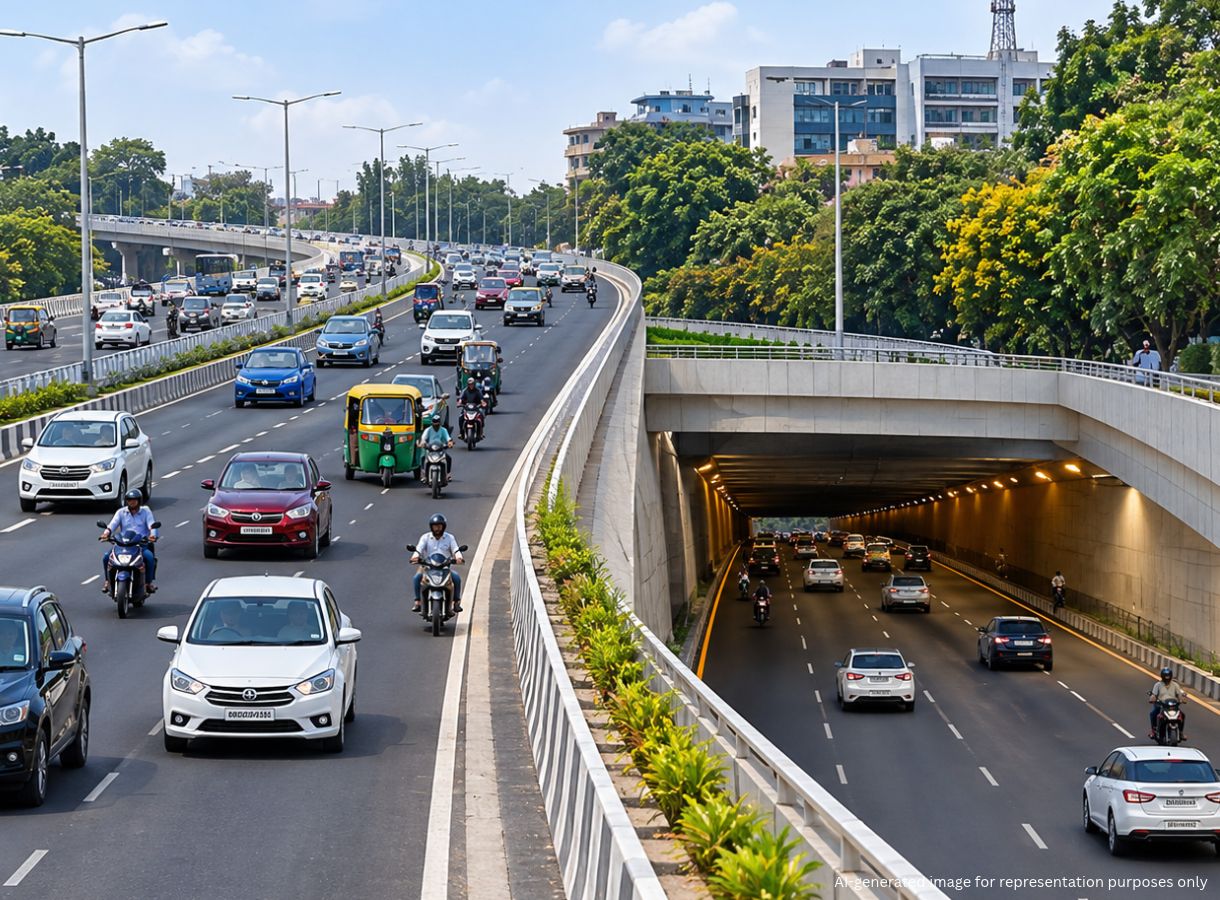
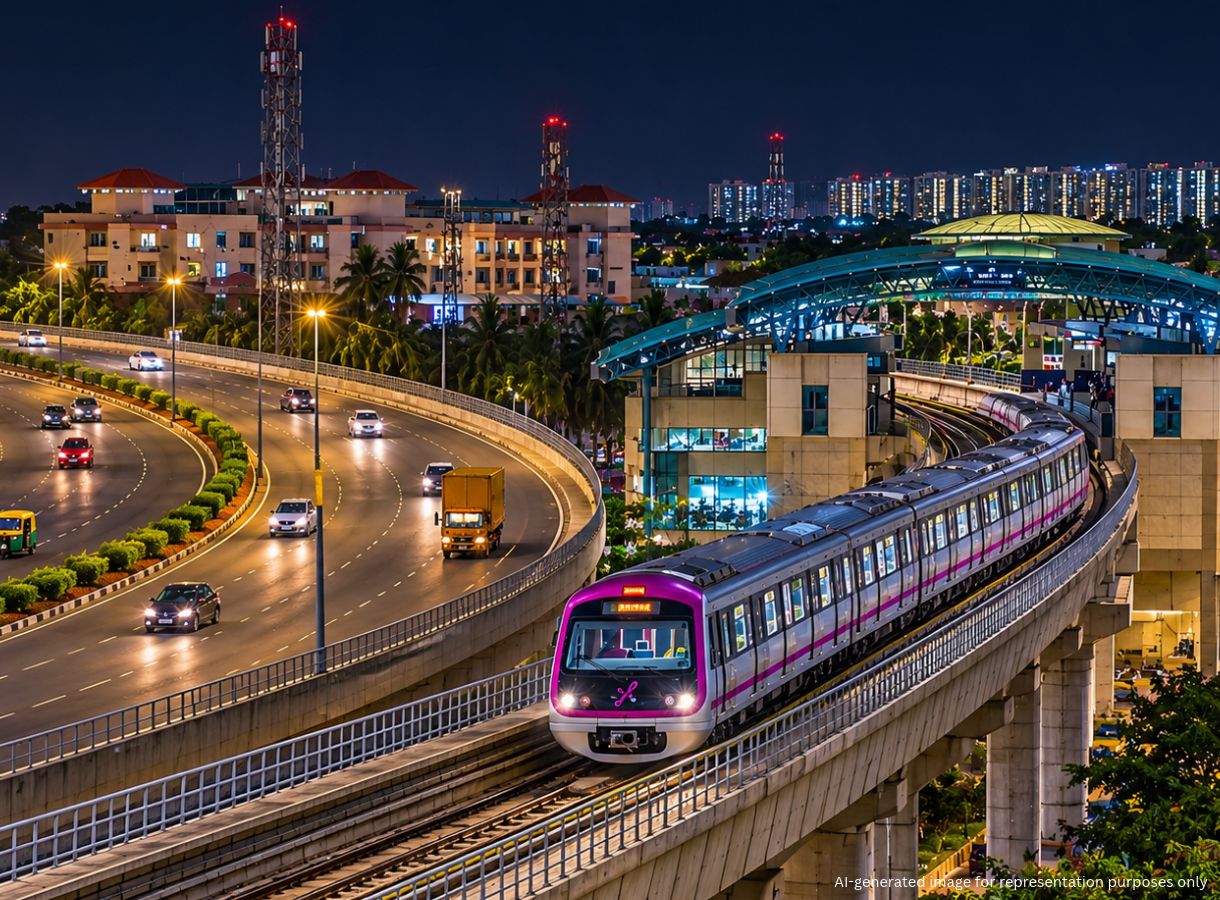
Silk Board connects several major transport corridors, including the Outer Ring Road (ORR), Electronic City corridor, Metro network and NHAI elevated road. Although these developments have improved connectivity, the surrounding junction continues to face several civic challenges.
Launched at Silk Board Junction, the GBA's Ward One campaign covers 43 wards across its five municipal corporations. It focuses on coordinated improvements to neighbourhood infrastructure rather than isolated maintenance activities.
The makeover includes:
A new drainage route towards HSR Layout is also being planned to manage downstream water flow and prevent flooding in surrounding areas.
The proposed improvements are expected to benefit several groups:
For over two decades, Silk Board was known for congestion as multiple transport corridors converged at the junction. Subsequent flyover and Metro developments helped address larger connectivity requirements, benefiting motorists and public transport users. However, local drainage, pedestrian access and public-space maintenance remained concerns. The Ward One campaign marks a shift towards resolving these neighbourhood-level issues through coordinated infrastructure improvements. Its success will depend on the timely execution of the proposed drainage, traffic and public-space upgrades.
1. Why is the Silk Board Junction makeover in Bengaluru being introduced?
The Greater Bengaluru Authority (GBA) introduced the Silk Board Junction makeover under its Ward One campaign to address recurring waterlogging, traffic congestion, unsafe pedestrian access, sewage contamination and neglected spaces beneath the flyovers.
2. What facilities will the Silk Board Junction redevelopment add?
The Silk Board Junction makeover will introduce seating, improved lighting, a throwball court and table tennis facilities beneath the flyovers. The development also includes flyover pillar painting and a proposed Mysuru Silk-inspired design theme.
3. How will the Silk Board Junction upgrade improve traffic movement towards BTM Layout?
The Silk Board Junction upgrade includes a feasibility study for installing a steel grid over the stormwater drain. This would facilitate a free-left turn for vehicles travelling from Electronic City towards BTM Layout, potentially reducing local traffic delays.
4. What drainage improvements are planned at Silk Board Junction to prevent flooding?
The Silk Board Junction drainage project proposes widening the existing stormwater drain from 25 feet to 50 feet and increasing its depth to three metres. A new drainage route towards HSR Layout is also being planned to improve downstream water flow.
5. How will the Silk Board Junction makeover improve pedestrian safety?
The Silk Board Junction upgrade includes a dedicated walkway alongside the stormwater drain, improved pedestrian routes and better lighting beneath the flyovers. These facilities will help commuters accessing the BMTC bus stand, Metro station and nearby workplaces move more safely.
6. Who will benefit from the Silk Board Junction redevelopment in Bengaluru?
The Silk Board Junction makeover is expected to benefit daily commuters, motorists, pedestrians, IT professionals travelling between Electronic City and the ORR corridor, nearby residents and families through improved road access, drainage, pedestrian facilities and recreational spaces.