- Home
- Categories
- Cities
- Blogs
-
Go to Searching & Listing Page
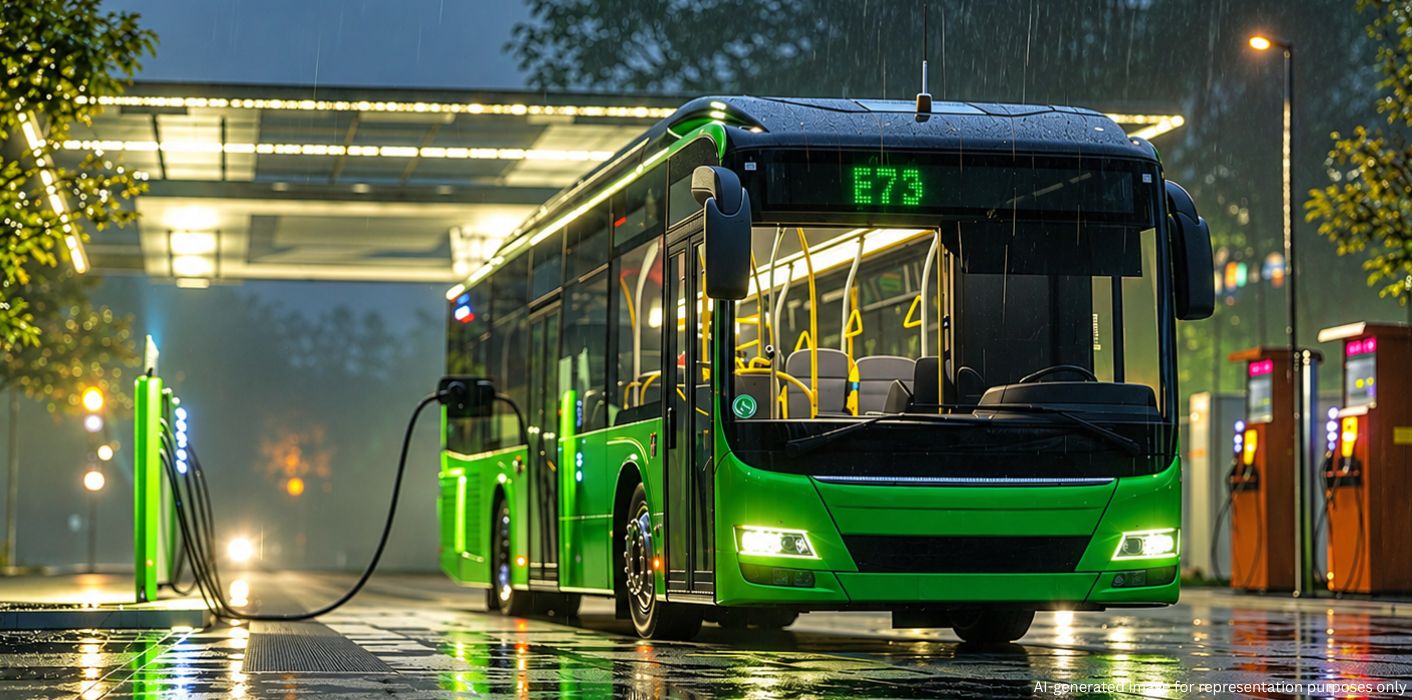
As Chennai continues to expand its public transport network, improving passenger comfort, safety and environmental performance has become increasingly important. The Tamil Nadu government has approved 1,000 new air-conditioned electric buses for the Metropolitan Transport Corporation (MTC), along with ₹500 crore for depot upgrades. The initiative also introduces GPS tracking and emergency panic buttons across state transport buses, aiming to improve everyday commuting and passenger safety.
Approved by the Chief Minister on November 9, 2026, the initiative combines electric bus expansion with infrastructure development and passenger safety improvements.
The primary upgrade involves adding 1,000 AC electric buses to Chennai's MTC fleet during the 2026-27 financial year, which ends on March 31, 2027. The existing fleet comprises 755 electric buses, including 355 AC and 400 non-AC vehicles. The addition will expand the electric fleet to 1,755 buses.
The procurement will follow the Gross Cost Contract (GCC) model. Private operators will supply, drive and maintain the buses, while MTC will continue providing conductors and managing public transport services. This arrangement avoids the need for MTC to purchase the expensive electric vehicles outright.
Alongside procurement, ₹500 crore has been allocated for electrical and mechanical infrastructure, including depot facilities and charging stations required to support the expanded fleet.
Chennai's public transport system faces several challenges that affect passengers, transport authorities and city residents.
Electric buses cost upwards of ₹1 crore each, making large-scale purchases financially difficult for state transport undertakings already dealing with accumulated debts and operating losses. Existing depots also require suitable electrical connections and charging facilities to accommodate larger electric fleets.
Meanwhile, continued dependence on older diesel buses contributes to urban air pollution. Passengers also face discomfort due to limited AC availability, particularly during longer journeys and hot weather. Senior citizens and persons with disabilities face additional difficulties with conventional high-step bus entry.
These challenges make fleet expansion, depot readiness and improved passenger facilities important parts of Chennai's transport modernisation.
Daily commuters are among the primary beneficiaries of the additional AC buses. Greater availability of air-conditioned public transport can improve travel comfort for office workers, students and other regular passengers.
The proposed buses also include low-floor entry, pneumatic kneeling systems, wheelchair ramps and CCTV facilities, according to the supplied project details. These features are intended to make bus travel more accessible and convenient for elderly passengers and persons with disabilities.
For MTC and the state government, the GCC arrangement reduces the need for substantial upfront investment in vehicle purchases. Private operators also take responsibility for vehicle maintenance.
The expansion is expected to support lower vehicle emissions and reduced noise pollution, benefiting Chennai residents beyond public transport users.
The initiative also covers buses operated by all eight state transport corporations. The government has released ₹17.99 crore for 13,490 vehicle location tracking devices and 13,776 panic-button sets.
These devices will follow the AIS 140 standard and connect to a central control centre. Officials will be able to monitor bus locations, speeds and route movements in real time.
Passengers facing emergencies can use the panic buttons to alert the control room. Authorities can then identify the bus location and coordinate assistance with the police and transport officials.
Women and children are among the key groups expected to benefit from these safety measures. The scheme was previously announced in the State Assembly on September 8, 2026.
The 1,000 AC electric buses are scheduled for procurement during the 2026-27 financial year, while depot infrastructure development will support their introduction. The government has also directed that GPS tracking devices and panic buttons be installed quickly.
Together, these measures mark another step towards improving Chennai's public transport system. Their impact will depend on how efficiently the new buses, charging infrastructure and passenger safety systems are implemented.
1. How many new AC electric buses will Chennai get under the MTC expansion project?
Chennai's Metropolitan Transport Corporation (MTC) will add 1,000 new air-conditioned electric buses during the 2026-27 financial year, ending March 31, 2027. The expansion will increase MTC's electric bus fleet from 755 to 1,755 vehicles, improving the availability of air-conditioned public transport across the city.
2. What is the Gross Cost Contract (GCC) model used for Chennai's new electric buses?
Under the Gross Cost Contract model, private operators will supply, drive and maintain the 1,000 new AC electric buses for Chennai's MTC. The transport corporation will continue deploying its conductors and managing public transport services. This arrangement reduces the need for MTC to bear the high upfront cost of purchasing electric buses.
3. How much funding has been allocated for MTC depot upgrades in Chennai?
The Tamil Nadu government has sanctioned ₹500 crore for upgrading Chennai MTC depots to support the new electric bus fleet. The funding will cover electrical and mechanical infrastructure, including high-tension substations, transformers and dedicated charging facilities across 12 MTC depots.
4. What facilities will Chennai's new MTC electric buses provide to passengers?
The proposed 1,000 AC electric buses for Chennai will feature 400 mm low-floor entry, pneumatic kneeling systems, automated wheelchair ramps, CCTV and GPS tracking. These facilities are intended to improve accessibility and travel comfort, particularly for senior citizens, persons with disabilities and regular commuters.
5. How will GPS tracking devices and panic buttons improve safety in Tamil Nadu state transport buses?
The Tamil Nadu government has released ₹17.99 crore to install 13,490 vehicle location tracking devices and 13,776 panic-button sets across eight state transport corporations. Following the AIS 140 standard, these systems will connect buses to a central control centre, allowing officials to monitor their location and respond to passenger emergencies.
6. Who will benefit from the new GPS tracking and panic-button system in Tamil Nadu buses?
Passengers travelling on MTC and other state transport corporation buses across Tamil Nadu will benefit from improved safety monitoring. Women and children are among the primary beneficiaries. Passengers facing emergencies can press the panic button to alert the control room, enabling officials to locate the bus and coordinate assistance with police and transport authorities.